FSEM Courses

Welcome! Here you'll find a list of current Fall First-Year Seminar offerings.


Not sure where to begin but have an idea of what you like? Narrow down your options by using the "Subject Area" dropdown menu below.

Subject Area:

FSEM 100W9 | Literature and the Supernatural
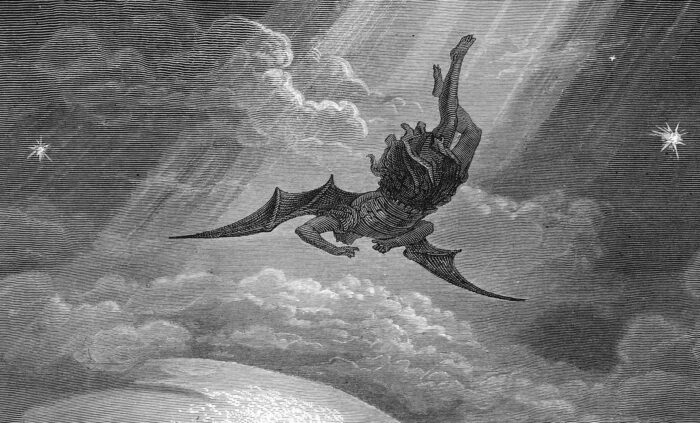
Paradise Lost 12.jpg - Illustration for John Milton's Paradise Lost by Gustave Doré (1866). The spiritual descent of Lucifer into Satan.

The history of literature is inextricably bound up with various forms of the supernatural. This course will examine how the supernatural has meant different things in different times and places, from ancient Mesopotamia to modern Hollywood.

Read more »
FSEM 100X5 | The Dark Side Has Cookies: The Complex World of Villains
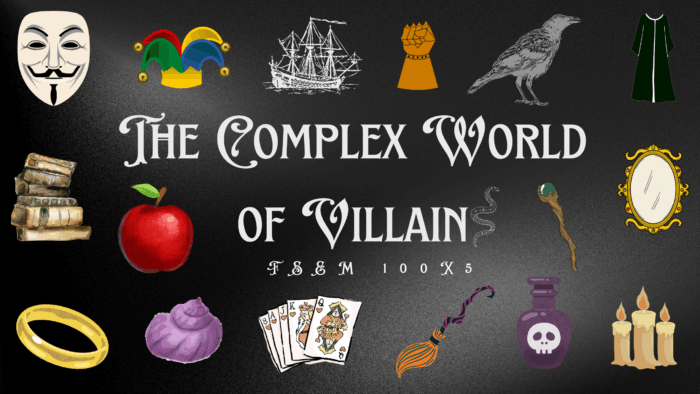
Info-graphic of symbols representing villains.

This course will examine the role of villains across literature, film, and pop culture, uncovering why their stories captivate us as deeply as those of the heroes. We will step into the shadows of the narrative, exploring the motives, missteps, and turning points that create the complex villains we love—and love to hate.

Read more »
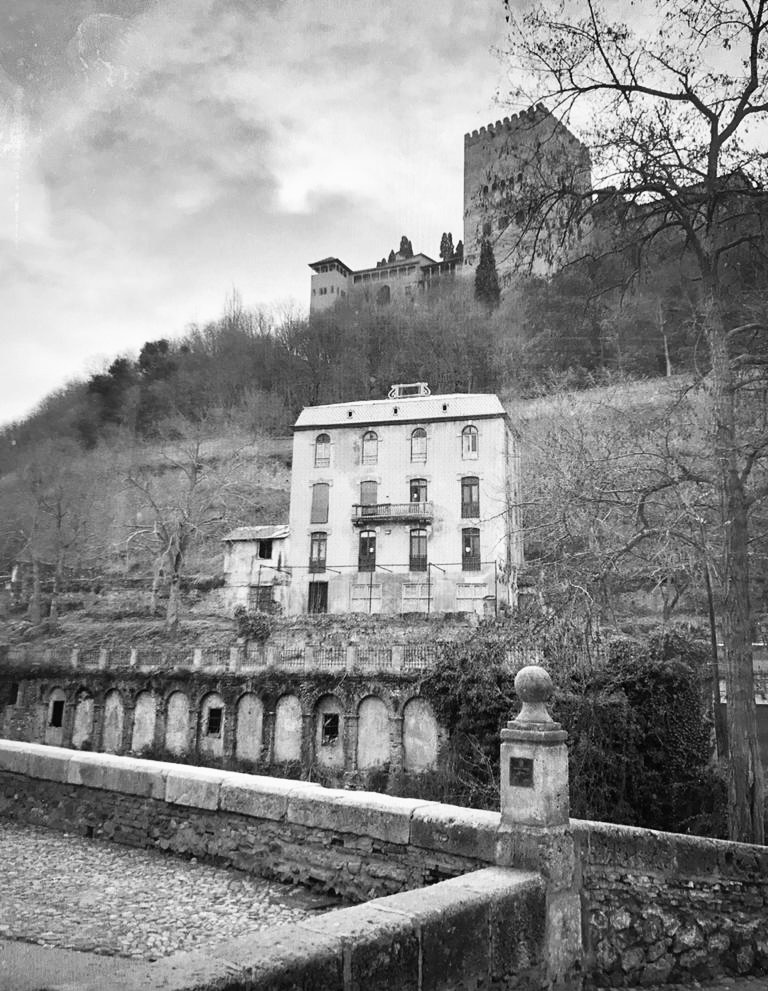
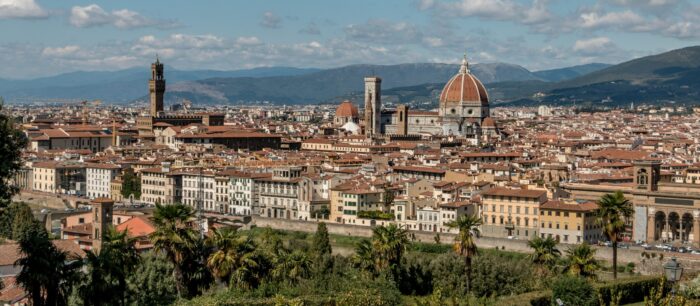
FSEM 100X4 | Art and Place: Florence
Florence - white and brown concrete building near green trees under blue sky during daytime

A deep and meaningful relationship exists between a work of art and the place in which it came into being. Plays, works of visual art, music, dance, architecture, novels, poems, and all kinds of work marked out as “art” by its culture are profoundly shaped by the place in which the artist, author, or performer lived and worked. FSEM sections of Art and Place explore these connections, looking at artistic traditions which develop in one particular place.

Read more »
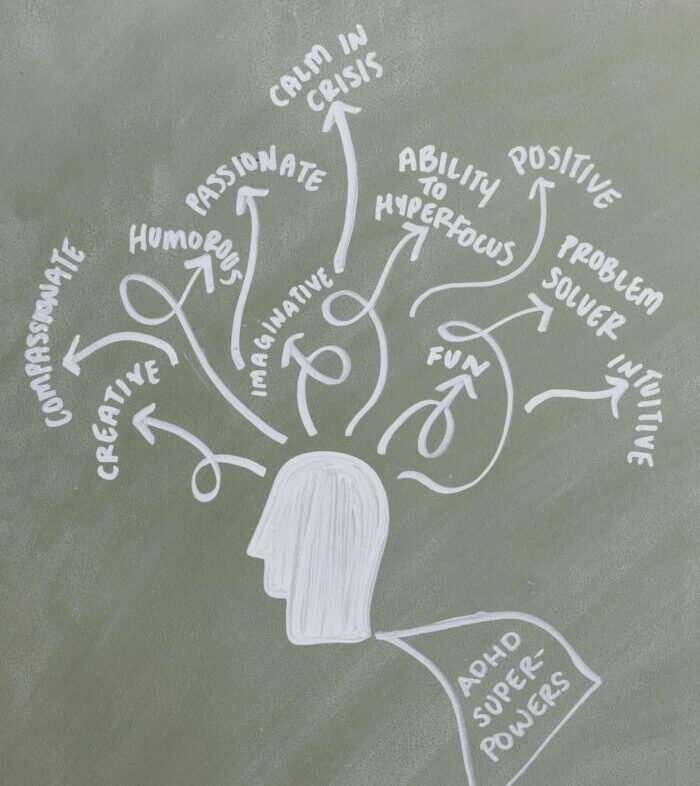
FSEM 100W3 | Is ADHD a Superpower?
ADHD Super Powers Written on Chalkboard.

While ADHD has often been understood as a disorder that individuals must overcome in order to be successful, some researchers have begun to examine how ADHD traits can be the source of great creativity and innovation.

Read more »
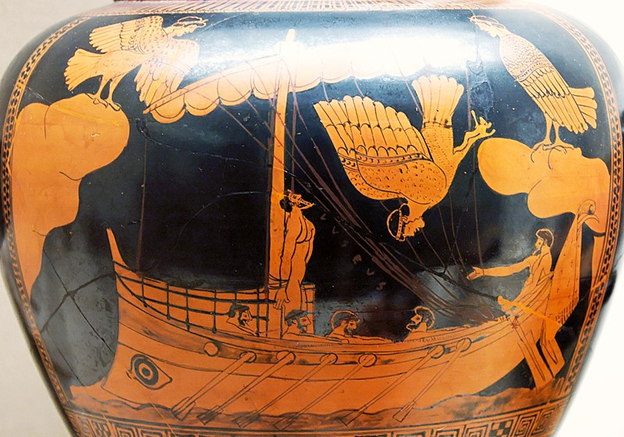
FSEM 100V8 | Homer’s Odyssey and the Hero’s Quest
Vase depicting Odysseus Sirens from BM E440.

In this first-year seminar, you will become the hero of your own story, learning from the searching exploits of mortals and demi-gods who explored unknown lands and divine realms and who, like Odysseus’s son Telemachus, searched for meaning and fulfillment as they transitioned into adulthood. 

Read more »
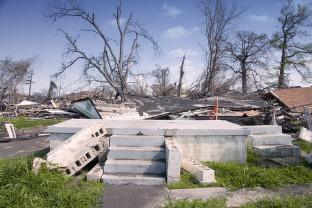
FSEM 100V2 | The History of American Disasters
Tornado ravaged structure where only the foundation is left.

Throughout United States history, disasters have redefined the American physical and political landscape. The History of American Disasters is a first-year seminar focused on how disasters affect people’s lives and communities. There are two sections of this seminar: one focusing on natural disasters and one focusing on building fires.

Read more »
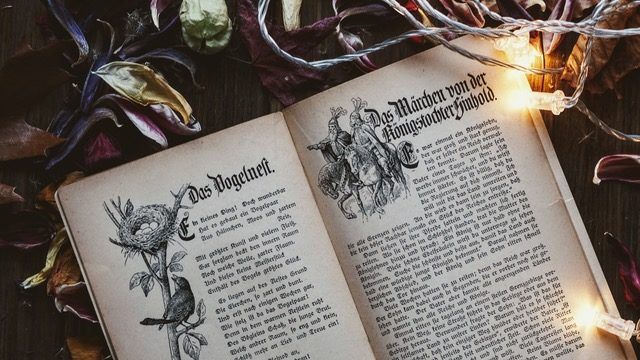
FSEM 100U4 | International Fairy Tales and Children’s Literature
Old illustrated book surrounded by lights and leaves.

Fairy tales are a literary genre that encompasses the world. While often considered to be part of children’s literature, fairy tales reflect the culture of the region they originate from. On the other hand, as Vladimir Propp shows, fairy tales share common structures that transcend national and cultural boundaries. This course has a closer look at the structure, meaning, and function of international fairy tales and their enduring influence on popular culture.

Read more »
FSEM S5 | Designing the Life of a Changemaker
Image of hands being grasped together.

It’s been estimated that college graduates have 80,000 working hours in their career. So, as a future college graduate, if you desire to build a better world for yourself and future generations, then your choice of career is one of their best opportuni …

Read more »
FSEM 100R5 | Multilingual Communities
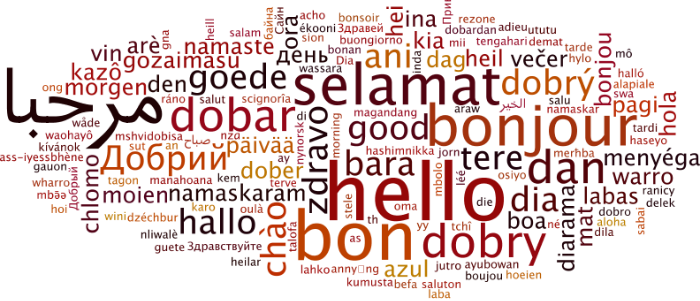
Hello Wordle in multiple languages.

I have been involved with the study of languages since I decided that I would take English as my college language requirement. Learning English proved more difficult than I anticipated (I thought I would learn it in a semester!), but it showed me how intricate and fascinating languages can be (i.e., messy). Ever since I started learning English, I became interested in other languages, how adults learn a second language, and lately, how our attitudes towards languages and dialects are shaped by our own ideas about the people who speak them.

Read more »