Welcome! Here you’ll find a full list of all Fall 2026 First-Year Seminar (FSEM) offerings. Browse through the pages of classes, select a course from the first drop down menu, or browse by subject area. Please note that this site shows the FSEMs regardless of whether or not they are full, so there is no guarantee that a course will still be open at the time of your registration

The tech industry promises to improve our everyday lives by making things faster, easier, and better. Whatever you need, there’s an app for that. But does the tech industry really deliver on its promise to make lives better? In our daily interactions w …
Read more »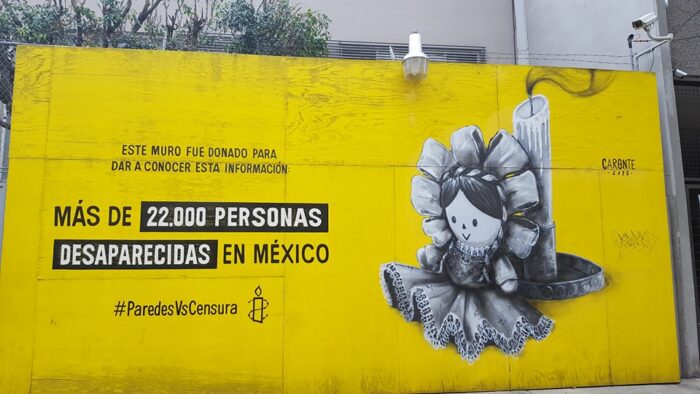
One of the most challenging human rights violations to investigate are forced disappearances. The challenges are vast, from identifying what legally constitutes a forced disappearance, to creating avenues for accountability when there is little evidence and identifying who is responsible for uncovering the truth. This course examines why some cases have achieved meaningful progress toward accountability while others continue to struggle.
Read more »
Unlike post-Nazi Germany, post-dictatorial Spain has never been officially compelled to confront the violence, repression, and human rights abuses of its twentieth-century past. As a result, the victims of the Spanish Civil War (1936–1939) and the Fran …
Read more »
Fairy tales and fantasy novels have their origins in a centuries-old folk traditions that continue to attract twenty-first century readers and cinemagoers. The literary fairy tales that were popular in Italy, France, and Germany centuries ago have found new fans in recent television shows such as Once Upon a Time and films like Shrek, Maleficent, and Frozen.
Read more »
In this FSEM, we will examine the major directors and films of this movement, as well as the the themes and social issues that animate these works. We will explore how these films revolutionized film production, form, and the portrayal of political and social changes.
Read more »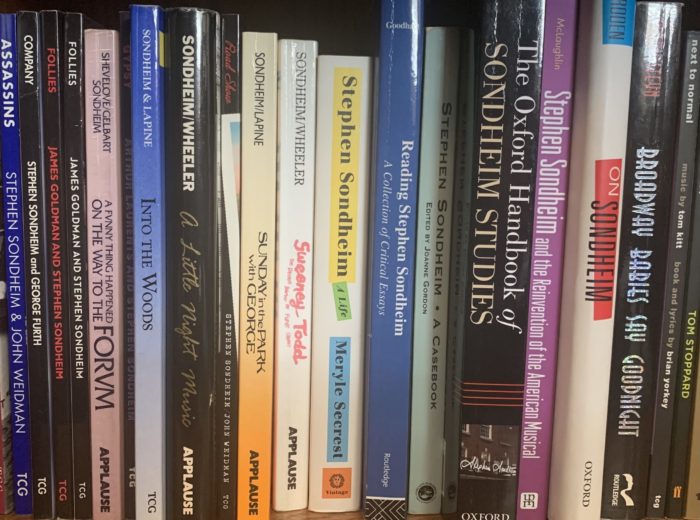
Through the close examination of eight landmark theatrical texts of the twentieth century, this course explores the major contributions of composer and lyricist Stephen Sondheim to the American musical.
Read more »
In this course, we will explore the life and work of James Farmer, an exemplary leader of the U.S. Civil Rights Movement who taught at Mary Washington during the 1990s. We will investigate the history of the concept of race and its impact on how we perceive ourselves and the world.
Read more »
Positive psychology is a field that developed in the 1990’s to identify and enhance the human strengths and virtues that allow individuals and communities to thrive. This course focus on using the science of positive psychology to gain skills to help you thrive in college and ultimately in life.
Read more »
This course begins with the question of how we ought to remember the Holocaust. Some see Steven Spielberg’s film Schindler’s List as kitsch, for example, while others praise it as a monument to humanity. Are the monumental concrete steles of the Holocaust Memorial in Berlin an appropriate way to remember the victims? Or do they reduce the victims to an anonymous mass?
Read more »
Where does evil come from? This FSEM will discuss what evil is and where it comes from, allowing students to study a real-life villain of their choosing.
Read more »