
This FSEM is an exploration of forbidden texts, defined broadly, through in-depth examination of texts which were banned at some point, somewhere, in some fashion.
Read more »
This FSEM is an exploration of forbidden texts, defined broadly, through in-depth examination of texts which were banned at some point, somewhere, in some fashion.
Read more »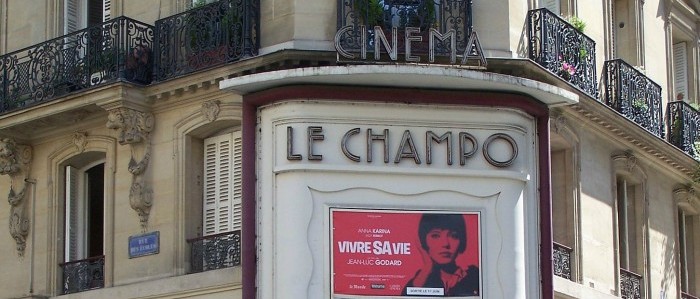
In this FSEM, we will examine the major directors and films of this movement, as well as the the themes and social issues that animate these works. We will explore how these films revolutionized film production, form, and the portrayal of political and social changes.
Read more »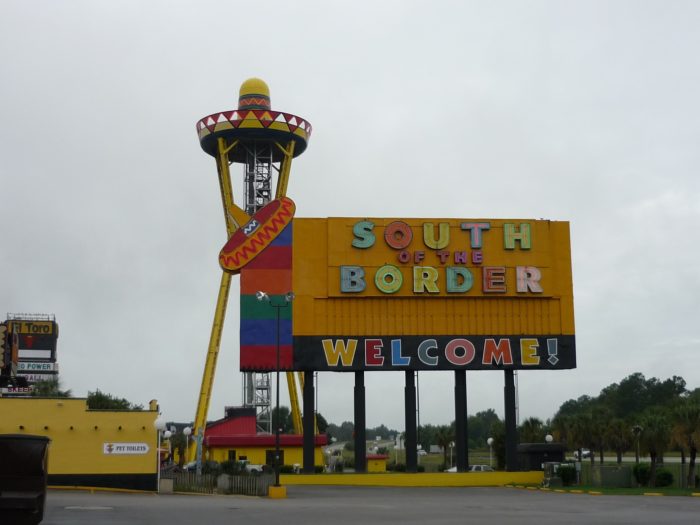
This course is a seminar that explores the historical and current phenomenon of journeys across the United States through the examination of case studies, with particular attention paid to privilege, age, race, and gender.
Read more »
Where does evil come from? This FSEM will discuss what evil is and where it comes from, allowing students to study a real-life villain of their choosing.
Read more »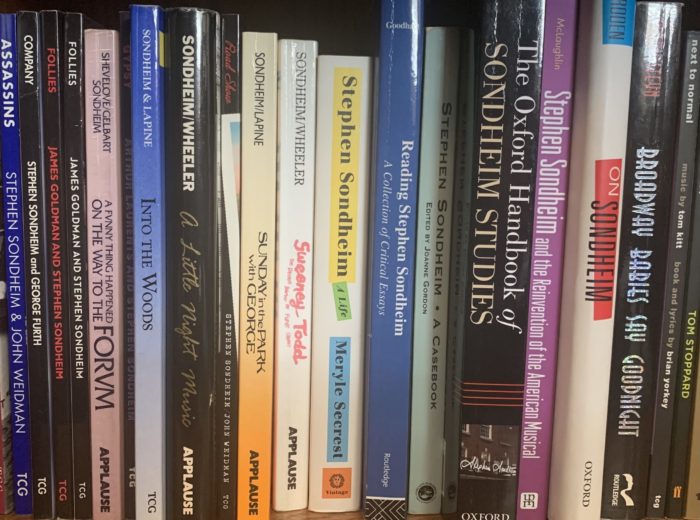
Through the close examination of eight landmark theatrical texts of the twentieth century, this course explores the major contributions of composer and lyricist Stephen Sondheim to the American musical.
Read more »
Fairy tales and fantasy novels have their origins in a centuries-old folk traditions that continue to attract twenty-first century readers and cinemagoers. The literary fairy tales that were popular in Italy, France, and Germany centuries ago have found new fans in recent television shows such as Once Upon a Time and films like Shrek, Maleficent, and Frozen.
Read more »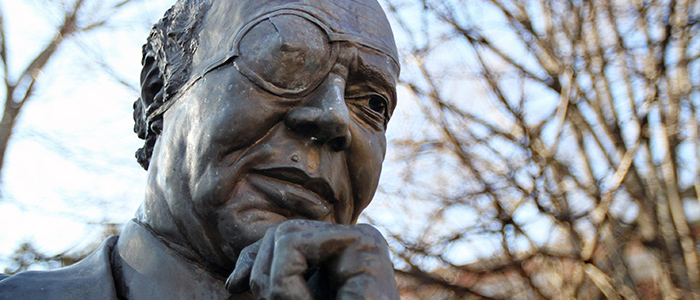
In this course, we will explore the life and work of James Farmer, an exemplary leader of the U.S. Civil Rights Movement who taught at Mary Washington during the 1990s. We will investigate the history of the concept of race and its impact on how we perceive ourselves and the world.
Read more »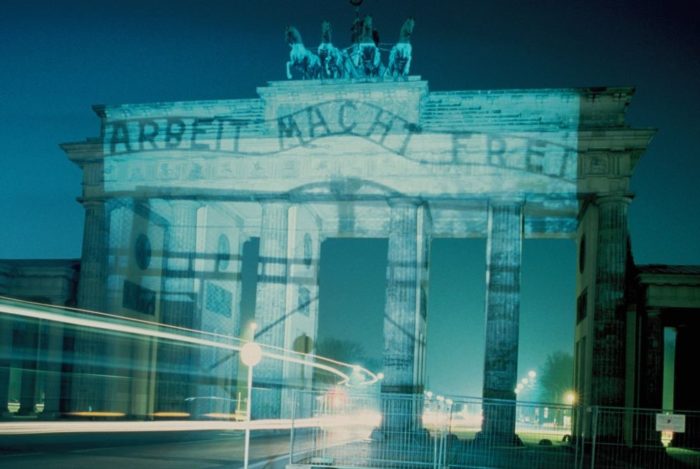
This course begins with the question of how we ought to remember the Holocaust. Some see Steven Spielberg’s film Schindler’s List as kitsch, for example, while others praise it as a monument to humanity. Are the monumental concrete steles of the Holocaust Memorial in Berlin an appropriate way to remember the victims? Or do they reduce the victims to an anonymous mass?
Read more »