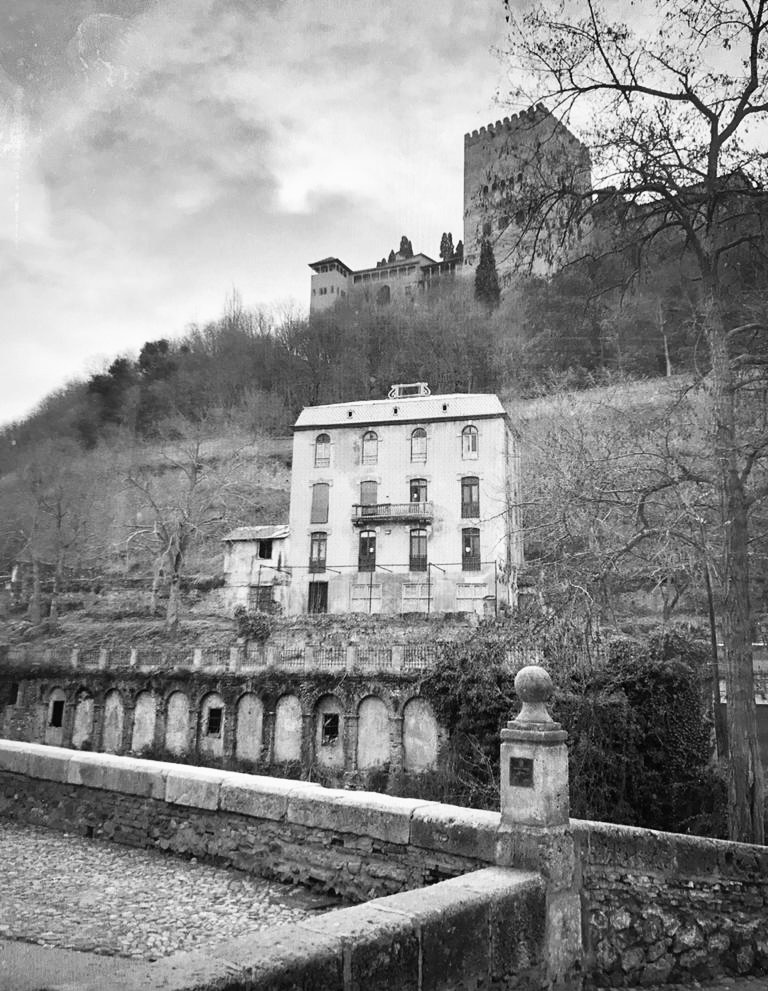
Unlike post-Nazi Germany, post-dictatorial Spain has never been officially compelled to confront the violence, repression, and human rights abuses of its twentieth-century past. As a result, the victims of the Spanish Civil War (1936–1939) and the Franco dictatorship (1939–1975) were largely silenced, while perpetrators were never held legally accountable. These unresolved histories continue to haunt contemporary Spain, leaving behind what many scholars describe as the “ghosts” of a repressed past.
In this seminar, we will explore how Spanish writers, filmmakers, and artists since the early 2000s have sought to recover these silenced voices and confront the lingering effects of historical trauma. Drawing on the work of historians, cultural critics, and theorists such as Jo Labanyi, we will examine how ghostly figures, monsters, and other unsettling presences in literature and film give shape to collective memory, loss, and unresolved injustice. These spectral figures, far from being merely fantastical, reveal the enduring consequences of silence and forgetting in a society shaped by dictatorship.
To ground our analysis, we will study key moments in Spanish history—including the Spanish Inquisition, the Civil War, the Franco regime, and the Democratic Transition of 1975-1978—paying particular attention to the pacto de olvido (Pact of Silence), a political agreement that postponed public reckoning with the past after Franco’s death in 1975. We will also consider contemporary debates surrounding the excavation of mass graves and the creation of the Association for the Recovery of Historical Memory, both of which expose the continued marginalization of the regime’s victims.
Through close readings of literary texts, films, and visual culture produced from the 1970s to the present, students will investigate how memory, truth, and repression are represented—and contested—in modern Spain. Ultimately, this course asks how the ghosts of the past continue to shape Spanish identity today and what it means to confront, rather than silence, a difficult and unfinished history.