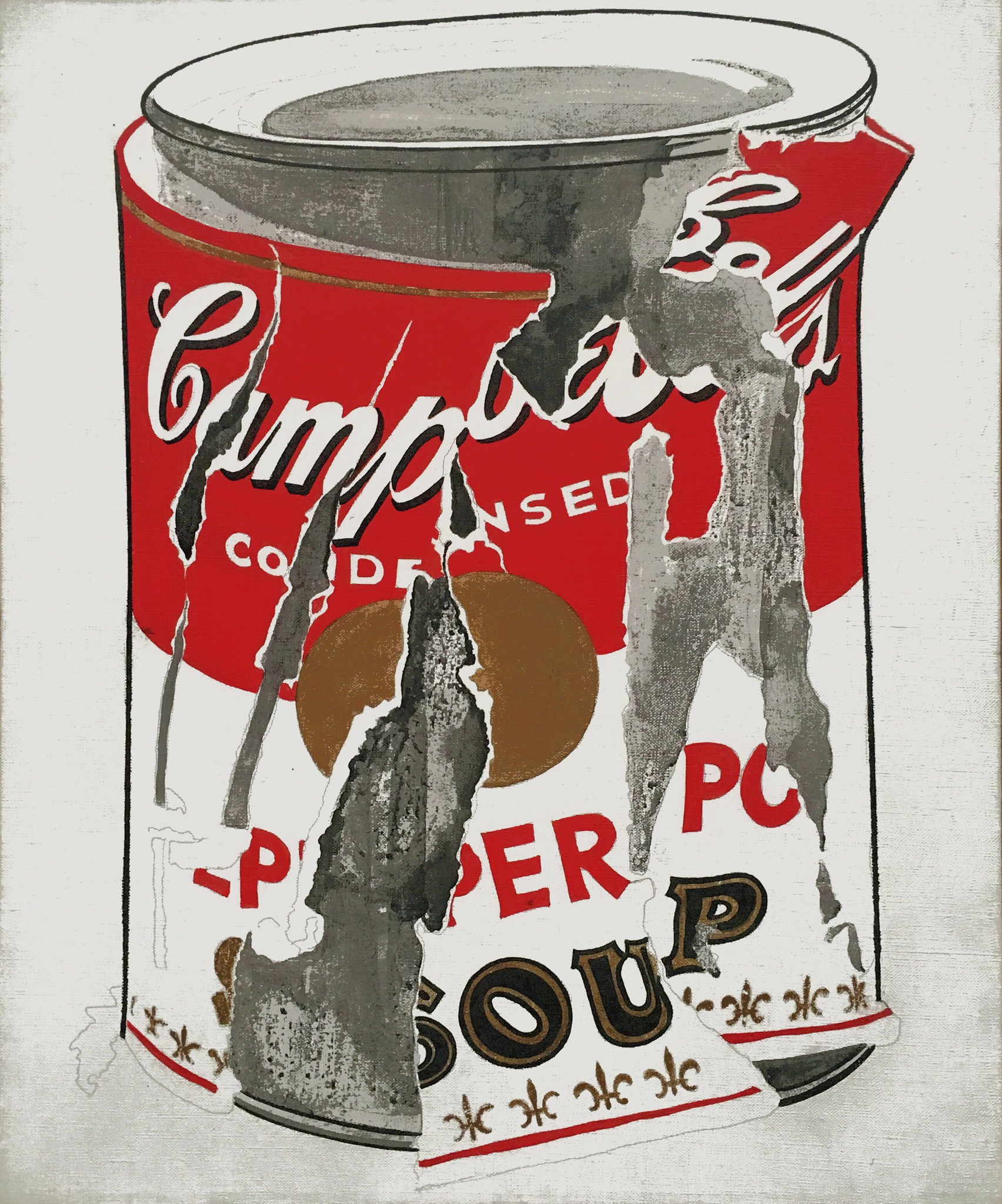
There are two sections of this course being offered:
Focusing on Andy Warhol’s World of Images
Who was Andy Warhol, really? And why does his work still feel so fresh, strange, and familiar all at once?
This course introduces Warhol’s art and ideas while giving students the tools to look closely, think critically, and create boldly. Through conversations, short readings, playful experiments, focused research, and creative making, we’ll explore how Warhol reshaped the visual world we now take for granted.
Together, we’ll use Warhol as an example to investigate how images circulate, repeat, accumulate, and perform and how they shape our sense of value, identity, and everyday life. How do images teach us who to be? What makes something iconic? Why does repetition change the meaning of a picture? And how did Warhol anticipate the way we communicate in the age of selfies, scrolling, and social media?
Students will examine Warhol not just as a famous Pop artist, but as a thinker who used painting, film, photography, writing, and even conversation to probe the mechanics of fame, labor, desire, and mass culture. We’ll study primary texts by Warhol and other artists, view films and artworks, and practice discussing and writing about what we see. Alongside analytical work, students will complete hands-on creative projects that experiment with appropriation, surface, celebrity, and self‑representation.
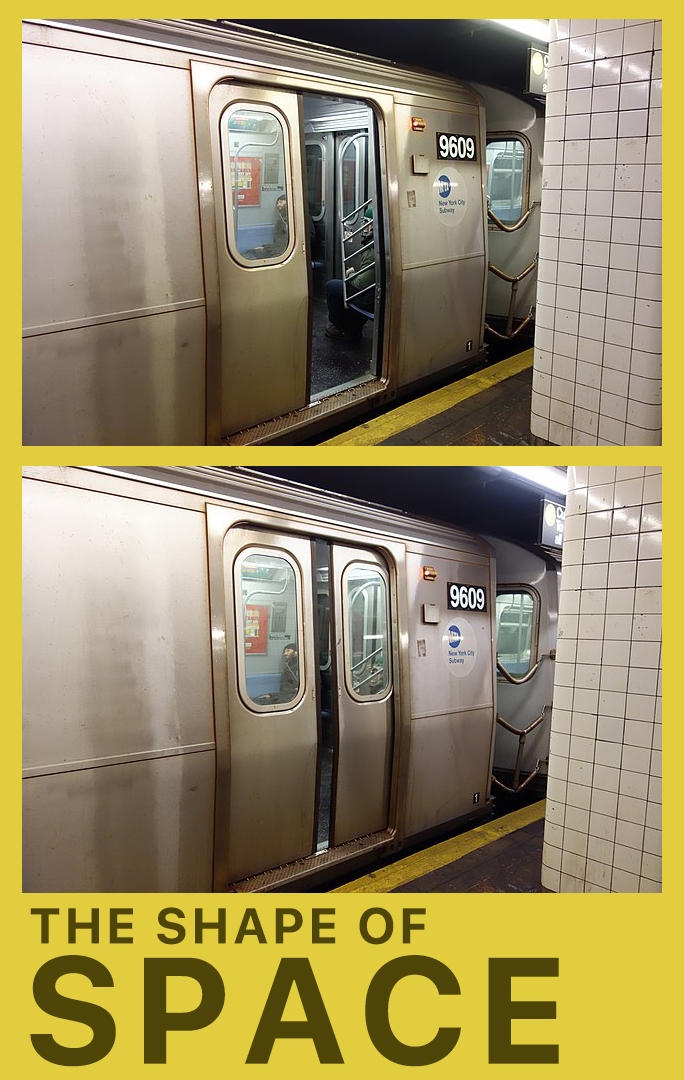
Focusing on Contemporary Art with an emphasis on Space
What is contemporary art? Why does it look like that? This First-Year Seminar demystifies contemporary art by teaching students how to read, write, and speak about it. Focusing on art from the 1970s to today, the course introduces the ideas, questions, and strategies that shape contemporary art and visual culture. Through group discussion, short readings, playful exercises, focused research, and critical writing, students learn how artists use materials, language, bodies, and space to ask meaningful questions about the world we live in.
The unifying theme of the course is The Shape of Space. We will examine the invisible rules that organize the spaces we move through every day: social space, digital space, bodily space, and physical space with boundaries and limits. Who sets these rules? Who benefits from them? And how might art reveal, interrupt, or reimagine them? Students will explore how contemporary artists work within and against these spatial systems. Together, we will treat space not as a neutral backdrop, but as something active, vulnerable, complicated, and full of creative possibility.