THIS COURSE HAS CURRENTLY FILLED FOR FALL 2025.
Science fiction (or speculative fiction) starts with world making. The social sciences (sociology, economics, anthropology, political science, and geography) focus on understanding and explaining the world and how people live in it.
Science fiction often explores the anxieties of the day, including global warming, surveillance and privacy, decreasing job security, or technological innovation, as well as big philosophical questions like what it means to be human. In this class we will read science fiction through the lens of social science, focusing on how social identities (for example, race, gender, sexuality, and class) are imagined in the worlds created by speculative fiction writers. How might global warming change political structures? How might colonizing Mars change race relations? What might families look like if there were 15 women to every man? What would happen to public transportation if everyone lost their ability to speak and read?
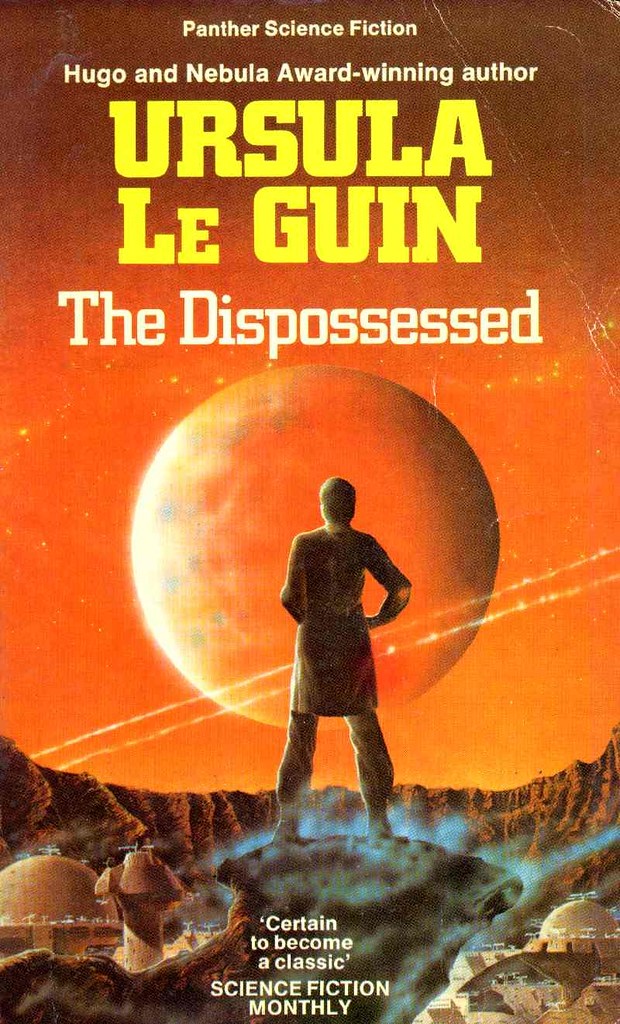
We will read a range of speculative fiction, including short stories and novels by Neal Stephenson, Octavia Butler, Ursula K Le Guin, James S.A. Corey, Ann Leckie, and others and think about how they imagine anarchism, Universal Basic Income, translation, race, marriage, or watching a live concert. We’ll also explore how social scientists approach the same topics.